
Insulation Calculator: The No-Nonsense Way to Stop Heating Your Loft (And the Street)
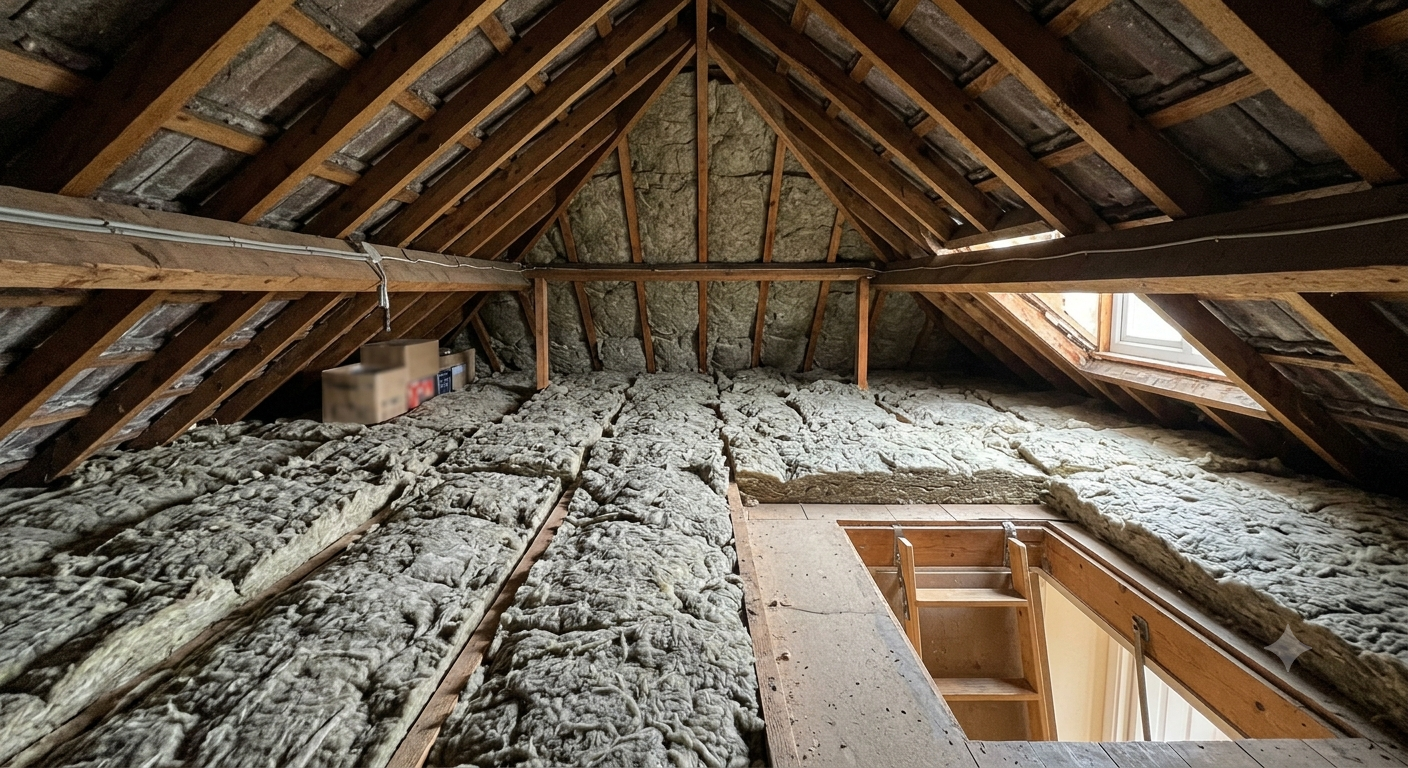
Ever tried guessing how much insulation you’ll need for your loft (attic) or walls? That’s like doing a pub quiz with no questions—just a lot of head-scratching and regrettable answers. Let’s cut the confusion. In this guide, you’ll learn exactly how an insulation calculator works, how to measure up, and avoid that classic blunder: buying three bags too few, then paying double for a last-minute dash to the builder’s merchant.
What’s an Insulation Calculator (and Why Use One)?
Here’s the bit most people get wrong: insulation comes in all sorts of thicknesses, pack sizes, and formats—rolls, batts, boards—so just knowing your room size isn’t enough. Using an insulation calculator is like having a mate on site who’s already made all the rookie errors for you. It helps you:
- Work out how many rolls, batts, or boards you’ll actually need (in both metric and imperial units)
- Avoid over-buying (because nobody’s ever said, “I wish I had more leftover itchy stuff to store in my garage”)
- Make sure you’re not under-insulated—wasting money every time you switch on the heating or AC
How to Measure Up: The Basics
Bet the merchant never told you this: if you mix up your feet and metres, you’ll end up with either a mountain of insulation or a draughty house. Here’s the simple way to nail it:
- Measure the length and width of your area (say, your attic floor or a wall). Always measure in BOTH units:
- Example: 6m x 4m (20ft x 13ft)
- Multiply to get the area:
- 6m x 4m = 24m² (20ft x 13ft = 260ft²)
- Check your desired insulation thickness (e.g. 200mm or 8in; more on that in a tick).
- Look up the coverage per pack (it’ll say on the packaging: e.g. “covers 8.3m² at 200mm” or “89ft² at 8in”).
- Divide your total area by the coverage per pack to get the number of packs/rolls/boards you need.
Worked Example: Insulating a Typical Loft (Attic)
Let’s say you’ve got a loft that’s 7m x 5m (23ft x 16.5ft):
- Area: 7m x 5m = 35m² (23ft x 16.5ft = 380ft²)
- You want 200mm (8in) thick insulation
- Each roll covers 8.3m² (89ft²) at this thickness
| Measurement | Metric | Imperial |
|---|---|---|
| Loft Size | 7m x 5m | 23ft x 16.5ft |
| Total Area | 35m² | 380ft² |
| Coverage per Roll | 8.3m² | 89ft² |
| Rolls Needed | 35 ÷ 8.3 = 4.2 | 380 ÷ 89 = 4.3 |
So you’ll need 5 rolls (always round up—no one ever finished a loft with half a roll left). Add a 10% wastage allowance (the spare teabags of building supplies), and you’re looking at 6 rolls to be safe.
Different Types of Insulation: Know Your Materials
Here’s where things can get as fiddly as trying to cut mineral wool without itching for a week:
- Blanket/roll insulation (fibre, mineral wool, fibreglass): best for lofts/attics and between joists
- Batt insulation (pre-cut rectangles): good for walls and floors
- Board insulation (rigid foam): for flat roofs, cavity walls, and under floors
- Loose fill or blown-in insulation: fills awkward gaps—used mostly by pros
Each type comes in different pack sizes, thicknesses, and coverage. Don’t try to use wall batts in your loft—unless you like cutting and swearing.
How Much Insulation Do You Actually Need?
Curiosity gap: “Isn’t thicker always better?” Not quite. Local building codes (and common sense) have a say:
- UK & Europe: Minimum 270mm (11in) loft/attic insulation is usual these days, but check your local regs.
- US/Canada: Look for R-values—higher means better. Attics often need R38–R60 (about 250–400mm or 10–16in).
- Australia/NZ: Check your climate zone; typically R3.5–R6.0 in ceilings.
If you’re topping up old insulation, measure what’s already there, and only buy what you need to hit the recommended value.
Money Talk: What Will This Cost Me?
Here’s the truth: insulation cost varies by material, thickness, and region. Rolls or batts are generally less per square metre (or square foot) than rigid boards. Always compare coverage, not just price per pack. And remember—skimping on insulation is like buying cheap shoes: you’ll pay for it every winter.
Pro Tips: Avoiding Classic Insulation Blunders
- Mixing units: Don’t measure your area in feet, then buy insulation in metres. That’s a one-way ticket to the returns desk.
- Ignoring joist spacing: Standard UK joists are 400mm or 600mm apart (16in or 24in in the US). Get insulation that fits, or you’ll be custom-cutting all day.
- Wastage allowance: Always add 5–10%. Off-cuts, awkward corners, and the odd mis-measurement are par for the course.
- Overstuffing: Cramming insulation in too tight reduces its effectiveness—puffed-up insulation traps air, which is what keeps your house warm (not the insulation itself).
Questions people are actually asking
How much insulation do I need?
You’ll need enough to cover your space at the recommended thickness. Measure your area in square metres (m²) or square feet (ft²), then check the coverage shown on the insulation packaging. Divide your area by the coverage to get the number of packs needed, and add 10% for wastage.
How much insulation should I have in my attic?
In the UK and Europe, aim for at least 270mm (11in) of loft/attic insulation. In North America, shoot for R38–R60 (around 250–400mm or 10–16in). Always check local building codes—more is generally better up to a point, but don’t go wild.
How much insulation comes in a roll?
A typical roll covers between 5–13m² (54–140ft²), depending on thickness and manufacturer. Always check the label, as thicker insulation covers less area per roll.
How much insulation for a 10x12 shed?
A 10ft x 12ft (3m x 3.6m) shed has an area of 120ft² (10.8m²). If using rolls that cover 8.3m² (89ft²) each, you’ll need 2 rolls (rounding up and allowing for a bit of waste).
How much insulation is too much?
There’s a point where adding more insulation gives very little extra benefit—like putting on a third coat in August. Excess insulation can also cause issues like trapping moisture. Stick to local regulations or recommended R-values for your climate.
How much does insulation cost?
Prices vary widely by country, thickness, and material. Blanket/roll insulation is usually cheapest per square metre/foot. Always check price per coverage, not just per pack, and factor in any delivery or installation costs.
How much insulation comes in a bag?
Loose-fill or blown-in insulation is sold by volume, typically in 10–15kg (22–33lb) bags or by cubic feet/litres. Coverage depends on the desired thickness, so check the packaging for specific coverage rates.
Conclusion
There you have it—using an insulation calculator saves you money, keeps your toes warm, and stops those awkward trips back to the merchant in the rain. Take your measurements in both metric and imperial, check the coverage per pack, and always round up (with a healthy wastage allowance—because real life isn’t Tetris). Ready to get started? Try an insulation calculator next time you’re planning a job, and you’ll never be caught short again.
Free tools to put this into practice
Reading is one thing — working out your own numbers is what saves time and money. Here are the free HowMuchDoINeed calculators that pair best with this guide:
- Partition Wall Material Calculator — work out exactly how much you need and what it will cost.
- Partition Wall Material Calculator Stud Wall Estimator — get an instant materials estimate for your project.
- Insulation Calculator — size up quantities and costs before you head to the merchant.
- Understanding Timber Fastener Spacing — plan your order so you avoid over- or under-buying.
Explore every free calculator on HowMuchDoINeed — no sign-up required.