
How to Improve Home Heating Efficiency and Reduce Energy Bills: Keep Toasty, Not Broke
Nobody ever brags about handing more cash to their energy supplier. Want to keep your home warm and your wallet a bit fatter? Here’s how to improve home heating efficiency and reduce energy bills—served up with no-nonsense tips, worked examples, and a few hard-learned lessons so you don’t end up shivering or skint.
Why Your Heating Bill Looks Like a Phone Number
Ever opened your bill and wondered if you’re secretly heating the neighbour’s house too? Most homes lose heat faster than a leaky bucket loses water. Gaps in insulation, draughty windows, and an ancient boiler (furnace, for our North American mates) all gang up to rob you blind—one chilly room at a time.
So, let’s get stuck in. Here’s what actually works—no snake oil, just real fixes you can do yourself or hand over to a trusty pro.
Start With the Big Leaks: Insulation and Draught-Proofing
Here’s the bit most people get wrong: upgrading your boiler/furnace is pointless if your house is still leaking heat like a sieve. Insulation is the thermal equivalent of putting on a proper jacket before complaining about the cold.
- Loft (attic) insulation: 25cm (10in) of mineral wool or rigid foam makes a world of difference. If you’re standing in your loft/attic and can see joists (beams) poking out, you need more insulation.
- Wall insulation: Cavity walls can be filled; solid walls need external or internal boards.
- Floor insulation: Suspended timber (wood) floors can have insulation between the joists; solid concrete can take rigid boards.
- Windows & doors: Fit draught strips or weatherstripping. Even a sausage dog draught excluder (door snake) is better than nothing.
Worked Example: Loft (Attic) Insulation
Let’s say your loft (attic) is 6m x 8m (20ft x 26ft). That’s 48m² (520ft²). For 25cm (10in) thick insulation:
- Insulation rolls often cover 6m² (65ft²) per roll.
- 48m² ÷ 6m² = 8 rolls (520ft² ÷ 65ft² = 8 rolls).
- Add 10% for wastage: 8 x 1.1 = 8.8, so round up to 9 rolls.
Now you’re not just throwing money through the roof—literally.
Boiler (Furnace) Upgrades and Servicing
Bet the merchant never told you this: even a brand-new boiler (furnace) can waste energy if it’s not set up right. Annual servicing keeps it running efficiently, and a modern condensing boiler (high-efficiency furnace) can be up to 90% efficient. That’s like swapping your old gas-guzzler for a hybrid—with a lot less paperwork.
- Upgrade if your system is ancient (15+ years):
- Old boilers/furnaces: ~60% efficiency
- Modern condensing models: 85-95% efficiency
- Get it serviced every year.
- Check the system pressure and bleed radiators (baseboard heaters) so you’re not heating air pockets instead of the room.
Thermostats, Controls & Zoning: Stop Heating the Landing
Ever noticed how the hallway is tropical while your toes freeze in the lounge? That’s the thermostat working against you. Smart thermostats and thermostatic radiator valves (TRVs/baseboard heater controls) let you heat only the rooms you use.
- Programmable thermostats: Set schedules for weekdays/weekends.
- Zoned heating: Control upstairs and downstairs separately (or by room).
- Smart controls: Adjust the temperature remotely—great for when you forget to turn the heat down before leaving.
Small Tweaks That Make a Big Difference
Don’t overlook the little things—sometimes it’s the draughty letterbox (mail slot) that’s undoing your efforts.
- Seal gaps around windows and doors: Use silicone sealant or foam strips.
- Curtains/blinds: Close them at night to keep warmth in.
- Radiator (baseboard heater) reflectors: These foil panels bounce heat back into the room rather than warming the wall.
- Furniture placement: Don’t block radiators/heaters with heavy furniture unless you enjoy heating the back of your sofa (couch).
Measure, Don’t Guess: The Power of a Simple Audit
Ordering heating upgrades without knowing your weak spots? That’s like measuring a wall in metres and buying timber (lumber) in feet—never ends well. A home energy audit (sometimes called a home energy assessment) identifies where heat’s escaping. Some local councils or utilities offer these free or at low cost.
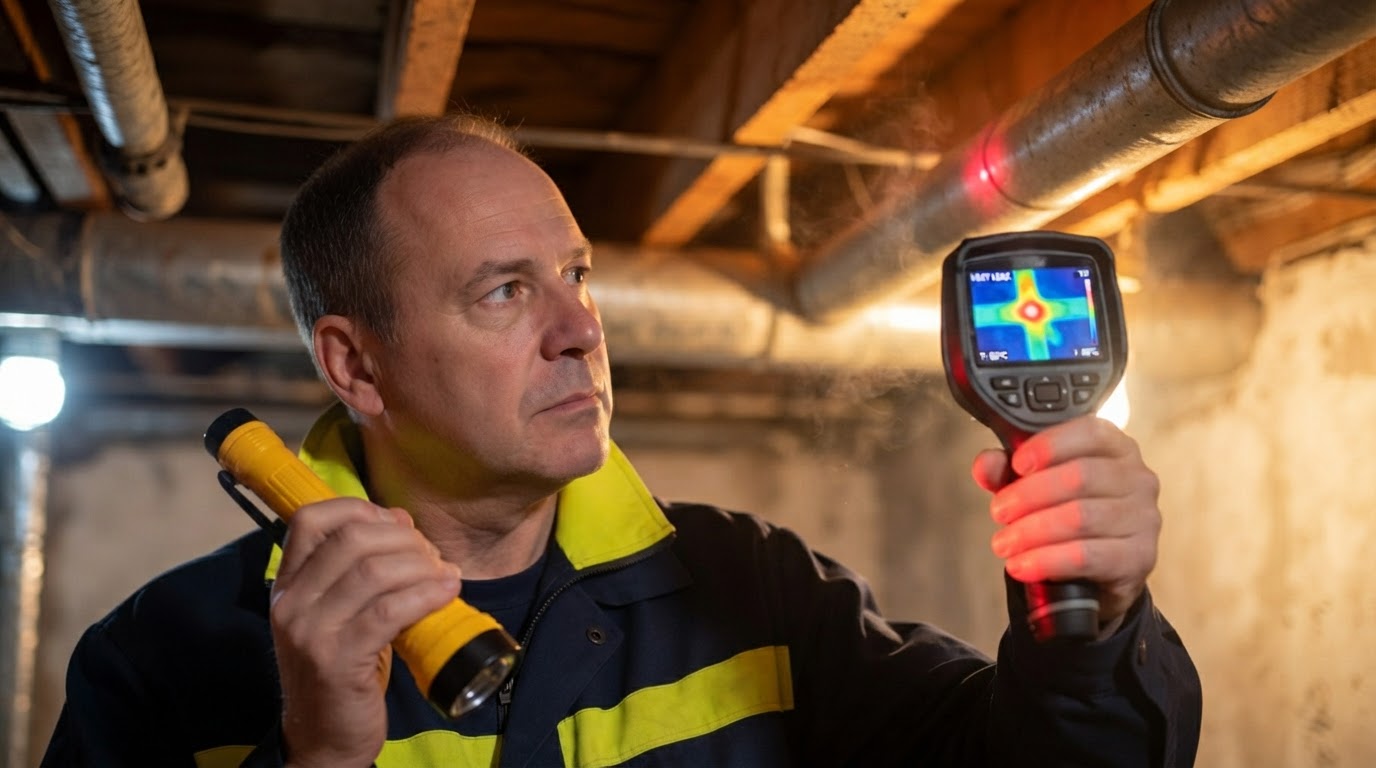
- DIY audit: Walk round with a thermal camera or just your hand—feel for cold spots and draughts.
- Professional audit: More thorough, includes recommendations and payback times.
Comparing the Savings: What Actually Works?
Here’s a quick table showing typical savings (in energy, not cash—since prices jump around like a kangaroo on espresso).
| Measure | Typical Energy Saving (%) |
|---|---|
| Loft/Attic Insulation (25cm/10in) | 15-25% |
| Cavity Wall Insulation | 10-20% |
| Floor Insulation | 5-10% |
| Upgrade to Condensing Boiler/Furnace | 15-30% |
| Thermostat/Smart Controls | 10-15% |
| Draught-Proofing/Weatherstripping | 5-10% |
Nobody has ever finished a job saying they wish they’d insulated less.
Questions People Are Actually Asking
How much insulation do I need in my attic/loft?
You want at least 25cm (10in) of mineral wool or rigid foam. Measure the area—length x width (in metres and feet)—then divide by the coverage per roll. Don’t forget a 10% extra for cutting and awkward gaps.
Should I replace my old boiler/furnace or just service it?
If it’s over 15 years old, replacement usually pays off in the long run. Modern condensing units are far more efficient. But if it’s newer, a service and balancing the system does wonders for performance.
What’s the best way to stop draughts?
Draught-proofing strips (weatherstripping) around doors and windows, a brush strip for the letterbox/mail slot, and a good old sausage dog draught excluder (door snake) do the job. Don’t forget keyholes and loft hatches.
Do smart thermostats really save money?
Yes, if you actually use the features—set schedules, turn the heat down when you’re out, and heat rooms individually. If you just use it as a fancy on/off switch, not so much.
How can I improve heating if I rent?
Stick to non-permanent fixes: thick curtains, draught excluders, radiator reflectors, and portable programmable room heaters. Ask the landlord about insulation or upgrades—they might split the cost if you’re lucky.
Is it worth insulating the floor?
If you’ve got a suspended timber (wood) floor, yes—especially if you can feel a breeze underfoot. For solid concrete floors, rigid foam boards help but are more work to retrofit.
What temperature should I set my thermostat?
Aim for 18-21°C (64-70°F). Every degree higher adds about 5-10% to your bill—think of it as the difference between a jumper (sweater) and a t-shirt indoors.
Are radiator reflectors (foil panels) worth it?
They’re cheap and easy to fit behind radiators (baseboard heaters) on external walls. They can save around 5% of the heat that would otherwise vanish into the brickwork.
Conclusion: Don’t Just Heat—Compete
Improving your home’s heating efficiency isn’t rocket science—it’s more like finding the holes in your wallet and stitching them up. Start with insulation and draught-proofing, then look at your heating system, controls, and the little tweaks that add up. Grab a home energy audit or work out your insulation needs using an insulation calculator if you want to get precise.
If you’re ready to stop heating the street and start saving, check out the practical tools and guides here on HowMuchDoINeed. Your future self (and your bank balance) will thank you.
Free tools to put this into practice
Reading is one thing — working out your own numbers is what saves time and money. Here are the free HowMuchDoINeed calculators that pair best with this guide:
- Insulation Calculator Understanding Save Money Energy — work out exactly how much you need and what it will cost.
- How Much Heat Does A Radiator Produce Btu Calculator — get an instant materials estimate for your project.
- Insulation Calculator Save Money Energy — size up quantities and costs before you head to the merchant.
- Heat Loss Calculator — plan your order so you avoid over- or under-buying.
Explore every free calculator on HowMuchDoINeed — no sign-up required.