
Cement Plaster Mix Calculator: Get Your Ratios Right & Stop Wasting Bags
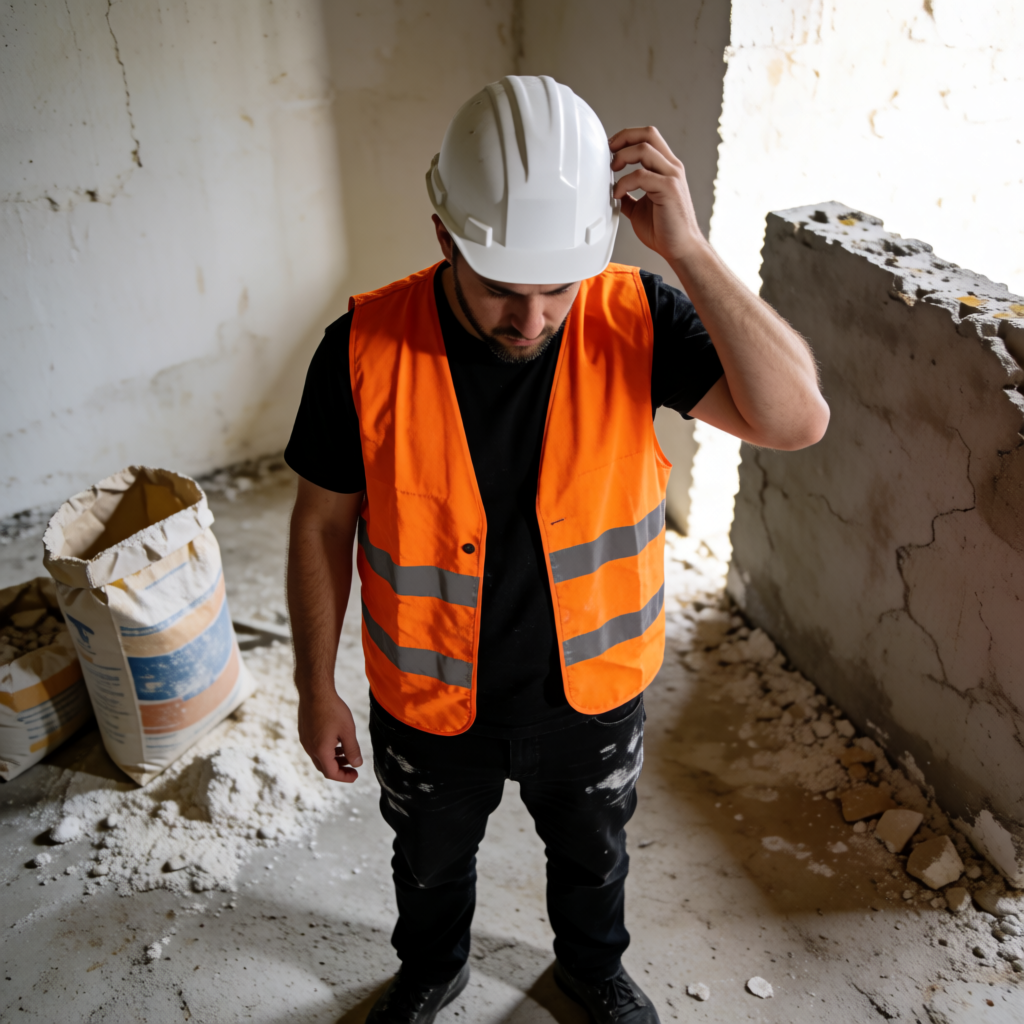
Ever tried plastering a wall, only to find you’re a bag short—or up to your elbows in leftover goop? Using a cement plaster mix calculator (or just knowing the proper ratios and quantities) saves you the mess, the stress, and that sheepish second run to the builder’s merchant or DIY store. Here’s how to nail your mix every time, whether you’re in the UK, US, South Africa, or anywhere they sell a bag of cement and call a wall a wall.
Why Getting Your Plaster Mix Right Actually Matters
Mixing cement plaster isn’t like chucking together a Sunday stew—get the ratios wrong, and you’re left with a wall that’s about as sturdy as wet cardboard, or a surface so hard it’ll crack before you’ve even put the kettle on. Too much cement? It’ll be brittle. Too much sand? It’ll crumble. And don’t get me started on running out halfway through—plastering in batches is about as fun as painting a fence with a toothbrush.
Cement Plaster Mix Ratio: The Basics (and Why They Matter)
Here’s the bit most people get wrong: the standard ratio for a good, general-purpose cement plaster is 1 part cement to 4–6 parts sand by volume (that’s 1:4 to 1:6). In metric, that’s one bucket of cement to four to six buckets of sand. In imperial, it’s the same—just swap buckets for whatever you’re scooping with.
- For internal walls: Often 1:6 (1 cement : 6 sand)
- For external walls: Often 1:4 or 1:5 (a bit richer for weather resistance)
Always add water gradually—never all at once—or you’ll end up with something closer to soup than workable plaster.
Think of the ratio like making tea for a builder: too weak (too much sand) and it’s pointless; too strong (too much cement) and it’ll keep you awake at night—usually with cracks.
How Much Plaster Do I Need? A Worked Example (Metric & Imperial)
Let’s say you’ve got a wall that’s 4m by 2.5m (13ft by 8ft), and you want to plaster it with a 12mm (half-inch) thick layer.
- Area: 4m x 2.5m = 10m² (13ft x 8ft = 104ft²)
- Thickness: 0.012m (12mm) or 0.5in (half inch)
Volume needed:
- Metric: 10m² x 0.012m = 0.12m³
- Imperial: 104ft² x 0.042ft (half inch) ≈ 4.4ft³
Plaster expands slightly when mixed, so add 10% for wastage (the ‘spare teabags’ of plastering).
- Metric: 0.12m³ x 1.1 = 0.132m³
- Imperial: 4.4ft³ x 1.1 = 4.84ft³
How Much Cement and Sand?
Using a 1:6 mix (1 part cement, 6 parts sand):
- Total parts = 1 + 6 = 7 parts
- Cement volume: 0.132m³ / 7 ≈ 0.019m³
- Sand volume: 0.132m³ – 0.019m³ ≈ 0.113m³
Converting to bags and bulk:
- A standard bag of cement is 25kg (55lb) and covers about 0.017m³ (0.6ft³) when mixed.
- Sand is usually sold by the tonne (1,000kg or 2,200lb) or by the cubic metre (1.3 cubic yards).
| Material | Metric (m³) | Imperial (ft³) | Approximate Bags (25kg/55lb) |
|---|---|---|---|
| Cement | 0.019 | 0.67 | 1 bag |
| Sand | 0.113 | 4.17 | — |
So, for our 10m² (104ft²) wall at 12mm (half inch) thickness, you’ll need about 1 bag of cement and 0.11m³ (4ft³) of sand. Round up if you’re not keen on scraping the last dregs from the mixer.
Step-by-Step: Mixing Cement Plaster (By Hand or Mixer)
1. Prep Your Gear
- Clean mixing area (board, wheelbarrow, or mixer)
- Buckets or shovels (for measuring)
- Trowels, hawk, straight edge
- Water supply (clean, always!)
2. Measure Out Your Materials
- 1 bucket (or part) cement
- 4–6 buckets (or parts) sand
3. Dry Mix First
- Mix cement and sand thoroughly while dry—think ‘cake mix before the eggs’. No streaks.
4. Add Water Gradually
- Add water slowly, mixing continuously. Stop when you get a smooth, workable paste—about the consistency of thick yoghurt (not runny soup, not dry crumble).
5. Mix Well
- If hand mixing: use a shovel, turning over until uniform.
- If using a plaster mixer or paddle mixer: keep it slow to avoid air bubbles.
6. Use Immediately
- Cement plaster has a working life of 45-60 minutes—don’t mix more than you can use in that time. This isn’t bread dough; there’s no coming back if it goes off.
Buying too much plaster is like making a family-sized lasagne for one: it feels like a good idea, but you’ll regret it when you’re scraping the leftovers into the skip.
Regional Note: Mixing Cement Plaster in South Africa (and Beyond)
In South Africa, Australia, and parts of the US and Canada, the 1:4 to 1:6 ratio is standard, but local sands can vary. Always check the sand grade—fine, clean plaster sand is ideal. The water supply should be clean and potable—if you wouldn’t drink it, don’t mix with it. And always stick to the local cement brand’s recommendations if they differ.
Pro Tips for a Quality Finish
- Never use dirty or salty sand—it’ll ruin the set and stain the finish.
- Use a plasticiser if recommended—it makes the mix creamier and easier to work.
- Work in manageable sections; don’t try to cover the Great Wall of China in one go.
- Protect fresh plaster from sun, wind, and frost during curing—think of it like a sunburnt Brit at the beach: it needs shade and TLC.
Questions People Are Actually Asking
Can you mix plaster and cement?
You can, but context matters. Cement plaster is just cement, sand, and water—no gypsum. Traditional (gypsum) plasters don’t get cement added. Mixing the two isn’t recommended unless you’re following a specific spec or repair method.
What is the ratio of cement plaster?
For most walls, 1 part cement to 4–6 parts sand (by volume) is standard. That’s 1:4 for outside, 1:6 for inside. Always double-check the spec for your job.
Can you mix cement with a plaster mixer?
Yes, a plaster mixer (the paddle type) handles cement plaster well. Just go steady—if you thrash it like a cake batter, you’ll whip in air and weaken the mix.
How to mix plaster for walls?
Dry-mix your cement and sand first, then add water slowly until you get a thick, lump-free paste. Use immediately—cement plaster doesn’t wait for anyone.
How to mix wall plaster?
For cement plaster: 1 part cement to 4–6 parts sand. Dry-mix, then add water gradually. For gypsum-based plaster, follow the instructions on the bag—ratios and techniques are different.
How to mix cement plaster for walls?
Combine 1 part cement with 4–6 parts clean sand. Mix dry, then add water slowly. Mix until workable but not runny, and use within an hour.
How to mix plaster cement by hand?
Use a shovel or trowel to dry-mix the cement and sand thoroughly, then add water a bit at a time, turning the mix until smooth. Keep going until it’s lump-free and creamy.
How to mix plaster cement in South Africa?
The method’s the same: 1 part cement to 4–6 parts sand, with clean water. Use local plaster sand and stick to recommended ratios—if in doubt, ask the merchant.
Conclusion: No More Guesswork, No More Wasted Bags
If you want a wall that’s smooth, solid, and won’t shed dust every time you brush past, get your cement plaster mix right from the start. Use the ratios here, measure out your materials, and don’t be stingy with the wastage allowance—it’s cheaper than an emergency dash for another bag. Want to skip the maths? Try a cement plaster mix calculator (search for one if you haven’t found ours yet) and let it do the hard work. Happy plastering—and remember, nobody ever wished they’d bought less.
Free tools to put this into practice
Reading is one thing — working out your own numbers is what saves time and money. Here are the free HowMuchDoINeed calculators that pair best with this guide:
- Plaster Calculator — work out exactly how much you need and what it will cost.
- Plastering Cost Calculator — get an instant materials estimate for your project.
- Plaster Sand Quantity Calculator — size up quantities and costs before you head to the merchant.
- Plaster Estimator How Much Plaster Do You Really Need — plan your order so you avoid over- or under-buying.
Explore every free calculator on HowMuchDoINeed — no sign-up required.
Try the Cement Calculator
Working this out by hand? Our Cement Calculator does the sums for you in seconds — pop in your measurements and you'll have your numbers straight away.