
Topsoil Calculator: The No-Nonsense Way to Stop Guessing and Start Growing
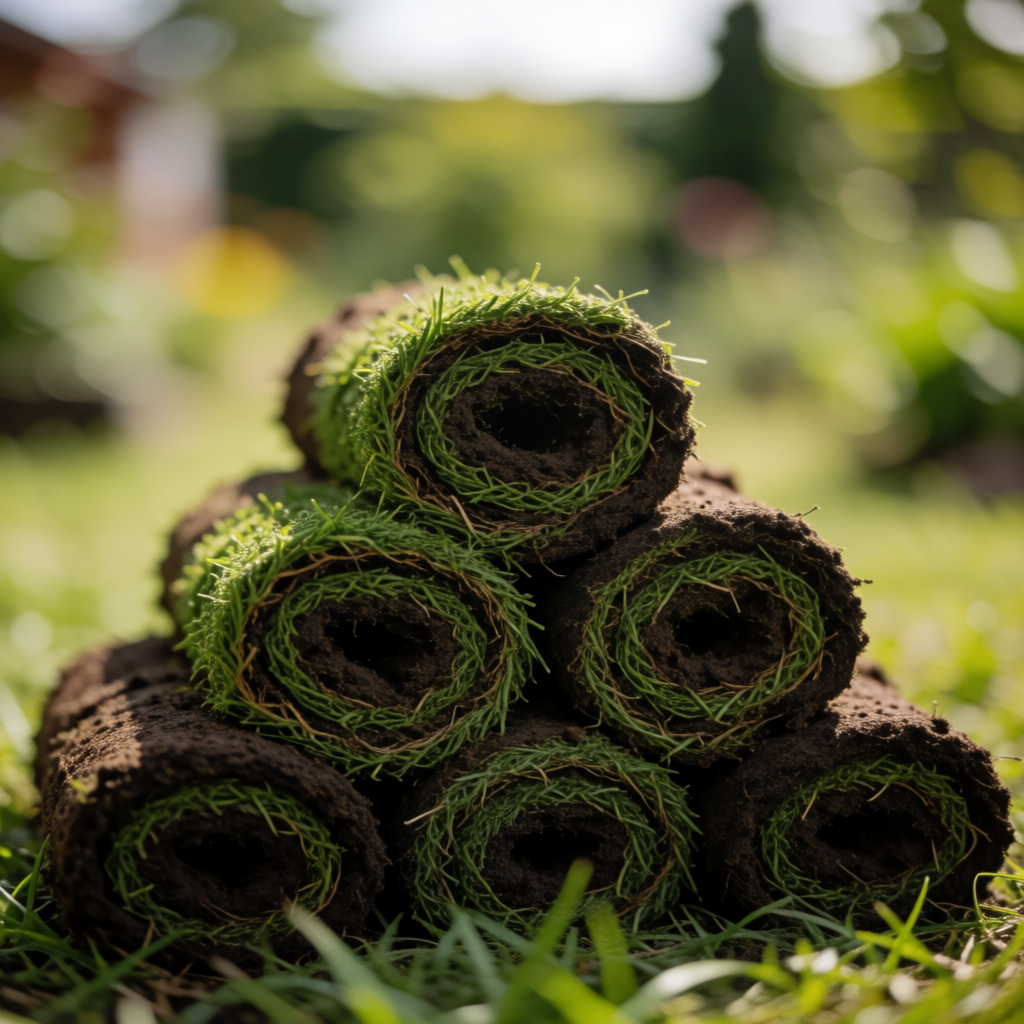
Ever tried levelling a lawn with 'just enough' topsoil, only to realise you’re a wheelbarrow short halfway across? Or worse—ended up with a mini mountain of excess soil and a merchant who won’t take returns? This guide is your shortcut to getting the numbers spot-on, so you can spend more time getting your hands dirty and less time on the phone to the supplier.
You’ll learn how to measure up, how to dodge the classic mistakes (like mixing metres and yards—never ends well), and how to use a topsoil calculator that does the donkey work for you.
Why Accurate Topsoil Calculation Matters
Ordering topsoil without measuring properly is like making a cuppa without checking the milk—either you run out at the worst moment, or you’re stuck with a sour surplus. And nobody wants the grief (or the cost) of ordering twice. Getting it right means:
- No patchy bare spots in your new turf or flowerbeds
- No wasted spend on soil you’ll never use
- No guessing games with the delivery lorry
The Basics: How Topsoil Is Sold
Topsoil is usually sold by volume, not weight. The main units you’ll see are:
- Cubic metres (m³) or litres for metric users
- Cubic yards (yd³) or US gallons for those using imperial
Bags are typically 25L (7 US gallons), 40L (10.5 US gallons), or bulk bags around 0.7m³ (1 cubic yard). If you’re shopping in bulk, most landscape suppliers talk in cubic metres (metric) or cubic yards (imperial). Don’t let anyone fob you off with just 'tonnes'—weight varies with moisture, so volume is king.
Quick Reference Table: Topsoil Volumes
| Area Size | Depth (mm/inch) | Volume Needed (m³/yd³) |
|---|---|---|
| 10m² (108ft²) | 50mm (2in) | 0.5m³ (0.65yd³) |
| 50m² (538ft²) | 100mm (4in) | 5.0m³ (6.5yd³) |
| 100m² (1,076ft²) | 150mm (6in) | 15.0m³ (19.6yd³) |
The Formula: No Maths Degree Required
Here’s the simple way to work it out:
Volume = Area x Depth
- Area: in square metres (m²) or square feet (ft²)
- Depth: in metres (m) or feet (ft)
But let’s be real—nobody wants to convert millimetres to metres in their head while standing in a muddy garden. That’s why the topsoil calculator exists. Just plug in your numbers and let it crunch the sums.
Worked Example: From Patchy Lawn to Lush Green
Let’s say you want to top up your lawn before laying new turf. Your lawn is 8m x 10m (26ft x 33ft), and you want a 100mm (4in) layer of topsoil.
Step 1: Area
- 8m x 10m = 80m² (26ft x 33ft = 858ft²)
Step 2: Depth
- 100mm = 0.1m (4in = 0.33ft)
Step 3: Volume
- 80m² x 0.1m = 8m³ (858ft² x 0.33ft = 283ft³)
Now, 1 cubic yard = 0.7646m³, so:
- 8m³ ÷ 0.7646 = 10.5yd³
So you need 8 cubic metres (10.5 cubic yards) of topsoil.
Add a 10% spare for settling, awkward edges and the inevitable spillage—that’s your 'rainy day teabags' allowance. So, order about 8.8m³ (11.6yd³).
Or, let the topsoil calculator do all this in seconds, so you’re not left second-guessing your sums.
How Much Topsoil for Different Landscaping Jobs?
For Level Lawns
- Typical depth: 100mm (4in)
- For uneven ground, go a bit deeper in hollows to get a flat finish.
For New Turf or Sod
- You want a base of 100–150mm (4–6in). That’s enough for roots to bed in, but not so deep you’re paying for soil the grass will never reach.
For Flower Beds & Veggie Patches
- 200–300mm (8–12in) is standard. Think of it as giving your plants a king-size mattress instead of a camp bed.
For Patching Bare Spots
- A couple of bags usually does it. But check the depth—there’s no point skimping and watching your seed dry out.
Top Tips for a Smooth Topsoil Order
- Stick to one system: Measure your area and depth in either metric or imperial—don’t mix or your garden might end up looking like a patchwork quilt.
- Order a bit extra: 10% allowance is standard. Settling, compaction, and the odd wheelbarrow wobble all eat into your pile.
- Bulk bags vs small bags: Bulk is usually cheaper per cubic metre (or yard), but only if you can shift it. For small patches, smaller bags save your back.
- Don’t rely on weight: Wet topsoil weighs a lot more—always order by volume.
For the quickest route to an accurate order, use the free topsoil calculator and save yourself the mental gymnastics.
Questions People Are Actually Asking
How much topsoil do I need?
Work out the area (length x width) in either metres or feet, then multiply by your desired depth (in metres or feet). Add 10% for waste. Or skip the maths and use the topsoil calculator.
How much topsoil to level a lawn?
Most lawns need about 100mm (4in) of topsoil to create an even, healthy base. For bumpy ground, you might need more in the dips, but 100mm (4in) is a safe average.
How much topsoil is in a yard?
A cubic yard of topsoil covers about 9 square metres (100 square feet) at a 100mm (4in) depth. In metric, that’s 0.7646 cubic metres per cubic yard.
How much topsoil is needed to grow grass?
For healthy grass, aim for a minimum of 100mm (4in) of topsoil. If your ground is poor or rocky, go up to 150mm (6in) for best results.
How much topsoil do I need for 5000 square feet?
For 5000ft² at 4in (0.33ft) deep:
- Volume = 5000 x 0.33 = 1650 cubic feet
- 1 cubic yard = 27 cubic feet, so 1650 ÷ 27 = about 61 cubic yards (47 cubic metres) Add a 10% allowance to be safe.
How much topsoil do I need for 2000 square feet?
For 2000ft² at 4in (0.33ft):
- Volume = 2000 x 0.33 = 660 cubic feet
- 660 ÷ 27 = about 24.5 cubic yards (18.7 cubic metres) Add a little extra for settling.
How much topsoil do I need for 1000 square feet?
For 1000ft² at 4in (0.33ft):
- 1000 x 0.33 = 330 cubic feet
- 330 ÷ 27 = about 12.2 cubic yards (9.4 cubic metres)
How much topsoil for sod?
Laying sod (turf) needs at least 100mm (4in), preferably 150mm (6in) if you want a really lush lawn. Use the calculator to match your area and depth for a stress-free order.
Wrapping Up: Get Your Topsoil Order Right First Time
A well-measured topsoil order is the difference between a garden you’re proud of and a patchy headache. Don’t let a dodgy guesstimate leave you high and dry—or knee-deep in leftovers. Plug your area and depth into our topsoil calculator for an instant, accurate answer, and get planting with confidence.
Free tools to put this into practice
Reading is one thing — working out your own numbers is what saves time and money. Here are the free HowMuchDoINeed calculators that pair best with this guide:
- Topsoil Calculator — work out exactly how much you need and what it will cost.
- Raised Bed Soil Calculator — get an instant materials estimate for your project.
- Raised Bed Soil Calculator — size up quantities and costs before you head to the merchant.
- Landscaping Cost Estimator — plan your order so you avoid over- or under-buying.
Explore every free calculator on HowMuchDoINeed — no sign-up required.