
How to Choose the Right Skip Size for Construction, DIY & Renovation Projects
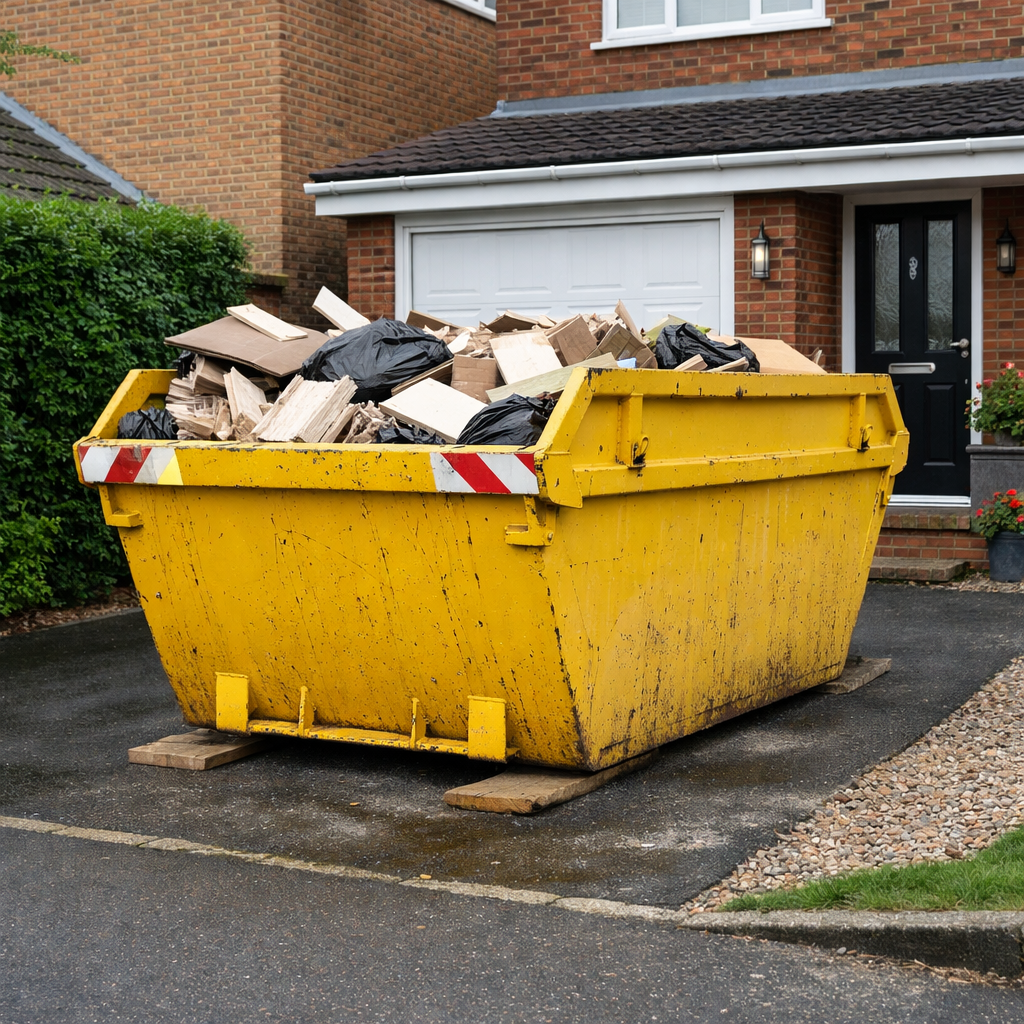
Whether you’re tackling a home renovation, clearing out your garden, or managing waste on a busy construction site, choosing the right skip size is crucial. With so many options available, it’s easy to feel overwhelmed—but picking the correct skip will save you time, money, and hassle. In this guide, you’ll learn how to select the ideal skip size for all kinds of construction, DIY, and renovation projects, with practical tips and a worked example for both metric and imperial units.
Why Skip Size Matters
Hiring the wrong skip size can lead to unnecessary costs, project delays, or even issues with waste disposal regulations. An undersized skip means extra collections or overfilling (which most providers prohibit), while an oversized one means paying for unused space. Matching your project with the right skip ensures efficient, cost-effective waste management.
Common Skip Sizes in the UK and Beyond
Skip sizes are typically measured in cubic yards (yd³) in the UK and Ireland, but you may also see measurements in cubic metres (m³) or tonnes elsewhere. Here’s an overview of the most common sizes:
| Skip Size | Cubic Yards (yd³) | Cubic Metres (m³) | Typical Uses |
|---|---|---|---|
| Mini Skip | 2 | 1.5 | Small DIY, garden tidy-ups |
| Midi Skip | 4 | 3 | Bathroom/kitchen refits, small jobs |
| Builder’s Skip | 6–8 | 4.5–6 | Major renovations, construction |
| Large Skip | 10–12 | 7.5–9 | Office clear-outs, bulky items |
| Maxi Skip | 14–16 | 10.5–12 | Large projects, commercial use |
Note: Always check with your skip provider for local variations. Some countries may use slightly different sizes or names.
Choosing the Right Skip Size: A Step-by-Step Guide
Estimate Your Waste Volume
Try to visualise the total waste you’ll produce. For reference, a standard household wheelie bin holds about 0.25 cubic metres (or roughly 0.33 cubic yards).Consider the Waste Type
Heavy waste (soil, concrete, rubble) can quickly fill a skip by weight, not just volume. Some skips have weight limits; builder’s skips are usually best for dense materials.Check Access and Space
Make sure your chosen skip will fit on site, drive, or road. Larger skips need more room for delivery and collection.Err on the Larger Side
Most people underestimate waste. It’s often cheaper to go one size up than pay for a second skip.
Worked Example: Skip Size Calculation
Scenario:
- You’re renovating your kitchen and bathroom. You estimate you’ll have:
- 12 standard bin bags of old tiles & plasterboard (about 0.12 m³ each)
- 1 old bath (1.5 m x 0.7 m x 0.4 m = 0.42 m³)
- 10 black sacks of general rubbish (about 0.07 m³ each)
Step 1: Calculate Total Waste (Metric)
- Tiles & plasterboard: 12 × 0.12 m³ = 1.44 m³
- Bath: 0.42 m³
- General waste: 10 × 0.07 m³ = 0.7 m³
- Total: 1.44 + 0.42 + 0.7 = 2.56 m³
Step 2: Convert to Cubic Yards (Imperial)
- 1 cubic metre ≈ 1.31 cubic yards
- 2.56 m³ × 1.31 = 3.35 yd³
Step 3: Choose the Skip
- A 4-yard (3 m³) midi skip comfortably fits this amount, with a little spare room in case of extra waste.
Tip: If unsure, round up and consider a 6-yard (4.5 m³) builder’s skip if you expect more rubbish as the project progresses.
Typical Skip Sizes for Popular Projects
| Project Type | Suggested Skip Size (yd³/m³) |
|---|---|
| Garden tidy-up | 2–4 yd³ (1.5–3 m³) |
| Bathroom/kitchen refurbishment | 4–6 yd³ (3–4.5 m³) |
| Full house clearance | 8–12 yd³ (6–9 m³) |
| Small construction job | 6–8 yd³ (4.5–6 m³) |
| Large building project | 12–16 yd³ (9–12 m³) |
Other Key Factors to Consider
- Skip contents: Hazardous materials (asbestos, electricals, chemicals) often require specialist disposal.
- Permits: Placing a skip on a public road usually needs a permit—check with your local authority.
- Weight restrictions: Especially important for soil, brick, or hardcore loads. Never overfill above the skip’s rim.
- Access: Measure your driveway or site entry to ensure the skip lorry can deliver and collect safely.
Use a Skip Size Calculator
Still unsure? Try using a skip size calculator to estimate your skip requirements. These tools help translate your waste type and volume into the recommended skip size, reducing the risk of error.
Questions people are actually asking
What size skip do I need for a bathroom renovation?
A 4-yard (3 m³) midi skip is usually enough for a standard bathroom refit, including tiles, an old bath, and fittings. For larger bathrooms or extra fixtures, consider a 6-yard (4.5 m³) skip.
Can I put soil and rubble in any skip?
Not every skip is suitable for heavy waste like soil, concrete, or bricks. Builder’s skips (6–8 yd³/4.5–6 m³) are designed for such loads, but always check weight limits and local regulations with your provider.
What happens if I overfill my skip?
Overfilling a skip is not allowed. Most companies will refuse collection or charge extra if waste is above the rim. It’s safer and cheaper to hire a slightly larger skip than risk additional fees.
How do I estimate how much waste I have?
Start by listing the main items and using their approximate volume. For bags and loose waste, a wheelie bin is about 0.25 m³ (0.33 yd³). For bulky items, measure length × width × height for volume. Or use a handy skip size calculator for extra help.
Do I need a permit for my skip?
If your skip is placed on a public road, pavement, or verge, you’ll likely need a local authority permit. If it’s on private property (driveway, garden, building site), a permit usually isn’t required.
Can I mix different types of waste in one skip?
Some providers allow mixed waste, while others require segregation (e.g. general waste, inert waste, plasterboard). Always ask your skip company and follow their guidelines to avoid extra charges.
How much does skip hire cost?
Costs vary by size, location, and duration. Mini skips are cheapest, while maxi skips are more expensive. Prices are usually quoted per hire (not per load), so picking the right size saves money. Always compare quotes in your area.
Conclusion
Choosing the right skip size makes any construction, DIY, or renovation project smoother and more budget-friendly. Use the tips above, measure your waste as accurately as possible, and if in doubt, consult a skip size calculator to make the best decision. Happy building—and even happier clearing!
Free tools to put this into practice
Reading is one thing — working out your own numbers is what saves time and money. Here are the free HowMuchDoINeed calculators that pair best with this guide:
- Skip Size Calculator — work out exactly how much you need and what it will cost.
- Concrete Calculator Guide How Much Concrete Do I Need Complete Uk Diy Construction Guide — get an instant materials estimate for your project.
- Garden Bed Size Calculator — size up quantities and costs before you head to the merchant.
- Flooring Calculator Guide How Much Flooring Do I Need Complete Uk Homeowner Diy Guide — plan your order so you avoid over- or under-buying.
Explore every free calculator on HowMuchDoINeed — no sign-up required.