
Sod Calculator: Get Your Lawn Bang-On First Time (So You Don’t End Up With a Patchy Disaster)
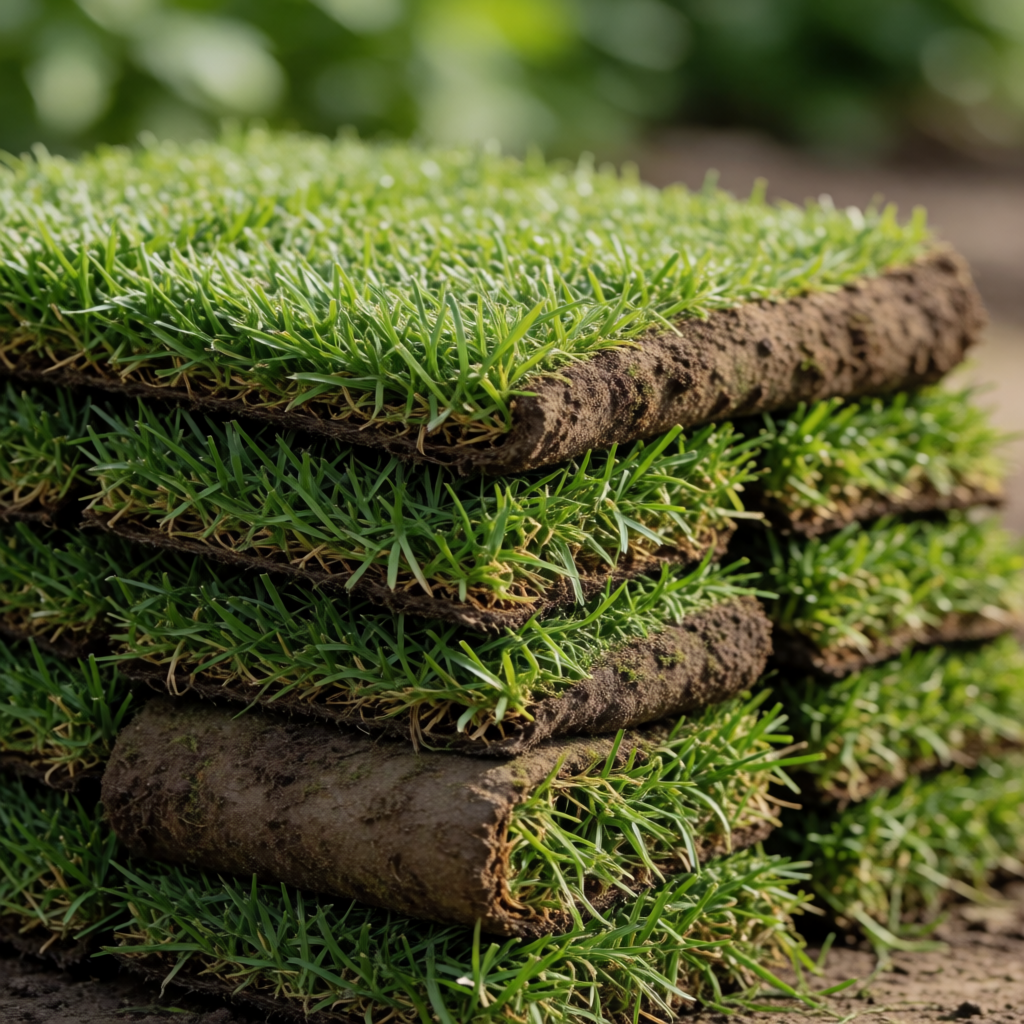
Ever found yourself halfway through laying a new lawn and realised you’re two rolls short—with the shop closing in 10 minutes? Welcome to the club. Ordering sod (or turf, for the UK crowd) without a proper take-off is like buying paint for a wall you haven’t measured: you’ll either run out or have a small mountain left over, both of which are a pain in the grass.
This guide will show you how to use a sod calculator the way the pros do—making sure you buy just what you need (plus a sensible bit extra) for a lush, patch-free lawn. Whether you’re in the UK, US, Canada, Australia, or just like your units in both metric and imperial, we’ve got you covered.
Why Bother Measuring? (Or: The Perils of Sod Maths by Guesswork)
Let’s cut to the chase: sod isn’t cheap. Guessing is what gets you those awkward bare patches or a dozen rolls unrolled on your drive, slowly turning brown. Getting your measurements right is the difference between a pro job and a lawn that looks like it was fitted with your eyes closed.
Think of it like doing your weekly shop without a list and a blindfold: you’ll end up with three pints of milk and no bread. With sod, the stakes are higher (and a lot heavier to move).
How to Measure Your Lawn for Sod (Turf)
First, grab a tape measure and get the actual dimensions of your lawn. Don’t trust your “it’s about 10 by 5” guesstimate—unless you want to be the person frantically Googling 'how to patch up missed sod gaps.'
- For rectangles/squares: Measure the length and width at their longest parts.
- For circles: Measure the diameter (widest point across).
- Odd shapes: Break it down into rectangles/circles, calculate each, then add them up.
Units: Always double-check whether your supplier prices sod by square metre (m²) or square foot (ft²). Mixing these up is like measuring your room in feet and ordering timber (lumber) in metres—never ends well.
The Formula (Don’t Panic—It’s Easy)
Here’s what you need:
- Area of your lawn:
- Rectangle: Length × Width (in metres or feet)
- Circle: π × (Radius)²
- Wastage allowance: 5–10%, depending on curves, offcuts, and if your dog likes to help.
| Shape | Formula | Example (metric) | Example (imperial) |
|---|---|---|---|
| Rectangle | Length × Width | 8m × 5m = 40m² | 26ft × 16ft = 416ft² |
| Circle | π × (Radius)² | π × (2.5m)² = 19.6m² | π × (8ft)² = 201ft² |
Add 5–10% extra for wastage. Think of it as the spare teabags you keep so you’re never caught short when your mate pops round.
Worked Example: From Tape Measure to Turf (Metric AND Imperial)
Let’s say your lawn is a classic rectangle, 10m × 4m (33ft × 13ft).
Calculate the area:
- Metric: 10m × 4m = 40m²
- Imperial: 33ft × 13ft = 429ft²
Add wastage (let’s use 7%):
- Metric: 40m² × 1.07 = 42.8m² (round up to 43m²)
- Imperial: 429ft² × 1.07 = 459ft² (round up to 460ft²)
Check sod roll size:
- If a UK roll is 1m², you need 43 rolls.
- If a US roll is 10ft², you need 460 ÷ 10 = 46 rolls.
Don’t want to mess about with calculators and conversions? Just plug your numbers into the sod calculator and let it do the heavy lifting.
What About Weird Shaped Lawns?
Here’s the bit most people get wrong: if your lawn curves, has cut-outs, or looks like a Picasso painting, break it into chunks. Measure each chunk as a simple shape, work out the area for each, then add them up. Still not sure? The sod calculator has options for multiple shapes and will save you a lot of head-scratching.
Sod (Turf) Laying Tips: Don’t Ruin Your Hard Work
- Order all your sod in one go. Mixing batches is like painting your lounge with two different tins—subtle, but you’ll always notice.
- Lay sod as soon as it arrives. Sod left rolled up will dry out faster than your patience on a hot day.
- Prep your soil. Remove weeds, rake level, and water lightly before laying.
- Butt the rolls tightly with no gaps. Gaps are future weeds’ favourite real estate.
- Water well after laying—think of it as the welcome drink for your new green carpet.
Common Sod (Turf) Roll Sizes (UK & US)
| Country/Region | Typical Roll Size |
|---|---|
| UK/Europe | 1m × 0.6m = 0.6m² (2ft × 3ft = 6ft²) |
| US/Canada | 2ft × 5ft = 10ft² (0.6m × 1.5m = 0.9m²) |
Always check with your supplier—sizes do vary. If in doubt, enter your area and roll size into the sod calculator to get the right order first time.
Questions people are actually asking
How much sod do I need for my lawn?
Measure your lawn’s length and width (in metres/feet), multiply for area, then add 5–10% for wastage. For circles or odd shapes, break it down and add up. Or just use the sod calculator for a fast, accurate result.
What’s the difference between sod and turf?
They’re two words for the same thing: pre-grown grass with a bit of soil and roots attached. 'Sod' is the term in North America and Australia; 'turf' is common in the UK and Ireland. Both get you a ready-made lawn in hours, not months.
How much does sod (turf) weigh?
Weight varies by soil type, but typically a standard roll is 15–25kg (33–55lb) in the UK, or 30–40lb (13–18kg) in North America. Don’t try to lift a dozen at once unless you fancy a day on the sofa with an ice pack.
How soon after laying sod can I walk on it?
Wait at least 2–3 weeks (or until the roots have knitted into the soil). Walking on new sod too soon is like jumping on a cake before it’s set—messy and a bit tragic.
How much does sod (turf) cost?
Prices vary by region, grass type, and supplier. As a rough guide, budget for the area you need (in m² or ft²) plus a little extra for delivery and wastage. Always check with local suppliers and use the sod calculator to avoid over-ordering or coming up short.
Conclusion: Don’t Get Caught Short—Let the Calculator Do the Work
Nobody’s ever finished a job and said, “I wish I’d bought less turf.” Save yourself the stress, avoid those last-minute dashes to the garden centre, and get your numbers right first time. For a hassle-free lawn makeover, use the sod calculator—it’s quicker than trying to do the maths on the back of an envelope and a lot less risky for your back (and your wallet).
Free tools to put this into practice
Reading is one thing — working out your own numbers is what saves time and money. Here are the free HowMuchDoINeed calculators that pair best with this guide:
- Sod Calculator Nail Your Lawn Take Off First Time — work out exactly how much you need and what it will cost.
- Sod Calculator — get an instant materials estimate for your project.
- Landscaping Cost Estimator — size up quantities and costs before you head to the merchant.
- Irrigation System Calculator Landscaping — plan your order so you avoid over- or under-buying.
Explore every free calculator on HowMuchDoINeed — no sign-up required.