
Printable Ruler Blog With Downloadable Ruler Template: No More Squinting at That Bent Tape Measure
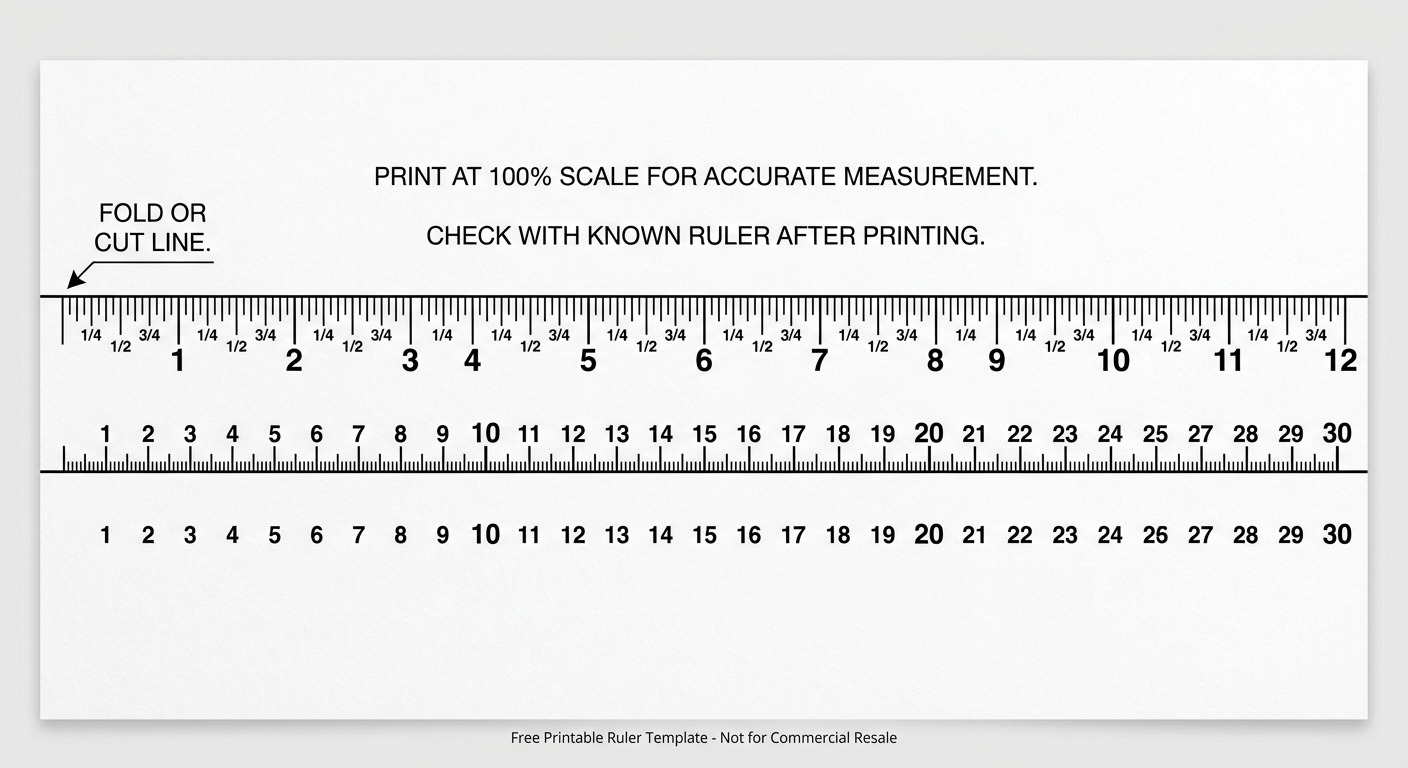
Ever found yourself on site, half a job done, only to realise your tape measure's gone walkabout? Or maybe you’re at home, trying to measure up a shelf, and the only thing within reach is a bit of string and blind hope. Don’t worry—today, you’ll learn how to print your own ruler (in both metric and imperial), dodge the classic pitfalls, and grab a free downloadable template that won’t leave you guessing.
Why Would Anyone Need a Printable Ruler?
Here’s the bit most people get wrong: a printable ruler isn’t just for school kids or craft projects. It’s the Swiss Army knife of the measurement world—quick, cheap, and always the right size (as long as your printer isn’t having a wobble). Whether you’re:
- Checking the width of a timber offcut (lumber scrap)
- Marking up a precise cut on-site when your tape’s vanished
- Double-checking plans at your desk
- Helping the kids with a homework project
- Or, let’s be honest, just too stubborn to nip to the shop for a new tape
A printable ruler saves the day. Think of it as the emergency teabag in your site mug: not ideal, but better than nothing when you’re desperate.
How Do Printable Rulers Work?
Printable rulers are exactly what they sound like—a ruler you print out on paper or card, with both centimetres (cm) and inches marked out. The magic is in getting the scale bang-on. Print at the wrong size and you’ll end up measuring a 2x4 (50mm x 100mm or 2in x 4in) that’s actually the size of a chopstick.
Dual Units, No Drama
The best printable rulers give you both metric (centimetres and millimetres) and imperial (inches and fractions) on the same template. No more measuring a room in metres and the timber in feet and hoping for the best.
Step-by-Step: Printing Your Own Ruler
Bet the merchant never told you this, but here’s how you actually get a ruler you can trust:
- Download the Template: Grab a printable ruler template in PDF format (keep scrolling—there’s one below).
- Open & Check Print Settings: Open the file, and set your printer to print at “actual size” or 100%. Anything like “fit to page” or “shrink to fit” is just asking for a wonky ruler.
- Print on Stiff Paper or Card: Standard A4 (210mm x 297mm) or US Letter (8.5in x 11in) is fine, but use card if you want it to last longer than your average site pencil.
- Cut Out Carefully: Scissors or a craft knife—your call. Just keep your fingers attached.
- Check Accuracy: Before you trust it, lay a real tape or shop-bought ruler next to your printout. If the 10cm (4in) mark lines up, you’re golden. If not, check your print settings and try again.
Worked Example: Checking Your Printed Ruler
Let’s say you print your ruler template. You want to check the accuracy for both metric and imperial:
| Measurement on Template | Real Tape Measure | Does It Match? |
|---|---|---|
| 10cm (4in) | 10cm (4in) | Yes |
| 30cm (12in) | 30cm (12in) | Yes |
| 15cm (6in) | 14.7cm (5.8in) | No – Reprint! |
If your printed 15cm (6in) is actually 14.7cm (5.8in), your template’s off by 2%. That’s the kind of mistake that’ll turn a tight mitre into a wobbly dog’s dinner. Always check before using.
Printable Ruler Template: Free Download
Here’s the bit you came for—your free printable ruler template. This one’s got both metric (cm/mm) and imperial (inches) scales, up to 30cm (12in). Print it at 100% on A4 or US Letter. Job done. (Template is below this article, ready to download and print.)
Top Tips: Making the Most of Your Printable Ruler
- Laminate It: If you’re going to use it more than once, run it through a laminator or stick on some packing tape. Nothing says “DIY hero” like a ruler that survives a mug of builder’s tea.
- Stick It Down: Use double-sided tape to fix it to your workbench, saw fence, or even the wall for quick reference.
- Mark Zero Clearly: Some templates start right at the edge, others leave a margin. If you want to measure from the edge, trim carefully.
- Don’t Measure Long Runs: Anything over 30cm (12in), use a proper tape measure. A paper ruler is great for small jobs, but it’s not laying out a driveway.
Common Pitfalls (And How to Dodge Them)
- Printing at the Wrong Scale: Always set your printer to 100%, actual size, or “no scaling.” Anything else and you might as well measure using your shoe.
- Paper Stretch and Curl: Card is better than standard paper. Also, avoid leaving your paper ruler in a hot van window—unless you want it to end up banana-shaped.
- Forgetting to Convert Units: Don’t mix up your metric and imperial. If you’re measuring a 3m (10ft) shelf, stick to one unit throughout.
Questions People Are Actually Asking
Can I trust a printable ruler to be accurate?
If you print your ruler at 100% (actual size) and check it against a shop-bought tape, yes—it’s accurate for everyday DIY, crafts, quick checks, and even most trade jobs. But always check before you cut anything expensive.
How do I print a ruler to the correct scale?
Download the template, open it in a PDF viewer, and select “100%” or “actual size” in your print settings. Avoid options like “fit to page.” Print, then double-check with a known-good ruler or tape.
What paper should I use for a printable ruler?
Use card or thick paper if you want it to last longer than a day. Standard printer paper is fine for a one-off, but a ruler on card will survive more rough-and-tumble on site or in the shed.
Can I get both centimetres and inches on the same ruler?
Absolutely. Most downloadable templates—including the one here—show both centimetres (and millimetres) and inches, so you don’t have to keep googling conversions mid-job.
Is a printable ruler good enough for woodworking or precision tasks?
For anything under 30cm (12in) and not requiring engineering-level accuracy, yes. For fine joinery or anything structural, always double-check with a steel ruler or tape. Think of a printable ruler as a backup—not the main tool for mission-critical jobs.
How do I convert between inches and centimetres?
There are 2.54cm in an inch (or 1cm ≈ 0.39in). Most printable rulers show both, but if you need to convert: multiply inches by 2.54 to get centimetres, or divide centimetres by 2.54 to get inches.
Can I use a printable ruler for measuring curved surfaces?
Sort of. It’ll do the job for a gentle curve, but for pipes or anything round, a flexible measuring tape (tailor’s tape) is more accurate. Paper doesn’t love bending in two directions at once.
Conclusion: No More Guesswork, No More Tape Measure Tantrums
That’s it—you’re off to the races. Whether you lost your tape (again), or just need a quick measurement in both metric and imperial, a printable ruler is the unsung hero of the DIY world. Download the template, print it at 100%, and always double-check before you cut. Still not sure how much timber, plasterboard (drywall) or paint you’ll need? Check out our other guides and calculators—they’ll save you more time (and cash) than you think.
Free tools to put this into practice
Reading is one thing — working out your own numbers is what saves time and money. Here are the free HowMuchDoINeed calculators that pair best with this guide:
- Beam Load Calculator — work out exactly how much you need and what it will cost.
Explore every free calculator on HowMuchDoINeed — no sign-up required.