
Herb Garden: Grow Your Own Flavour Bombs (Without Killing the Basil… Again)
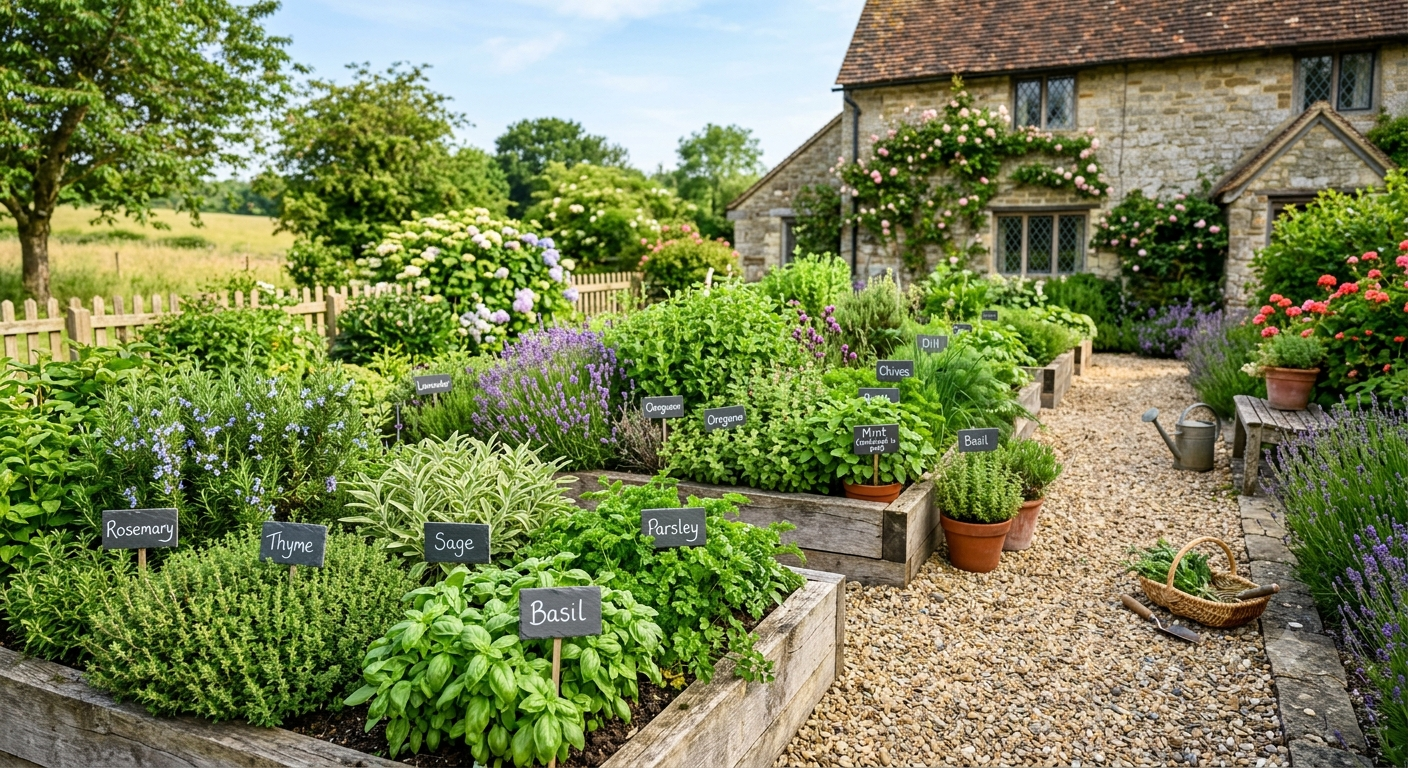
Ever bought a sad supermarket basil (basil plant) that keeled over before you got it home? Or found yourself knee-deep in parsley (flat and curly) but still dreaming of homegrown coriander (cilantro)? You’re not alone. Here’s the plain-spoken, no-nonsense guide to starting a herb garden that’ll keep you in fresh flavour—and, crucially, out of the compost bin of shame. We’ll cover exactly how much sun, water, and space you need; which herbs suit beginners; and the classic pitfalls that’ll have your rosemary (rosemary bush) giving you the cold shoulder.
Why Bother with a Herb Garden?
Let’s be honest: shop-bought herbs are like pre-sliced bread—convenient but a bit limp. A home herb garden means you get punchy flavour, zero food miles, and the smug satisfaction of snipping chives (chive leaves) straight onto your Sunday breakfast. Plus, herbs are the gateway drug of gardening—small commitment, big payoff, and you don’t need a Chelsea Flower Show budget.
Picking Your Plot: How Much Sun, Space & Light?
Here’s the bit most people get wrong: Herbs are like solar panels—they need a good dose of sunlight to work. Park them in a gloomy corner and you’ll get more action from a plastic cactus.
- Sunlight: Most herbs crave 6–8 hours of direct sunlight a day (that’s roughly a south-facing window or the brightest patch in your garden). In imperial, that’s about 6–8 hours as well—sun doesn’t do kilometres (kilometers) or feet, sadly.
- Space: You don’t need an acre (or a hectare). Even a single 60cm x 30cm (2ft x 1ft) window box can keep you in basil and thyme. If you’re planting in the ground, aim for at least 20cm (8in) between plants so they’re not wrestling for elbow room.
- Light: "Bright but indirect" is the classic cop-out answer, but most culinary herbs (basil, rosemary, thyme, oregano, parsley, mint) want direct sun. If you’re indoors, a sunny windowsill or supplemental LED grow light (full-spectrum) will do the trick.
Worked Example: Planning a Small Herb Garden
Let’s say you want to grow 5 different herbs. Each needs about 20cm x 20cm (8in x 8in) of space.
| Herb Count | Area per Plant | Total Area Needed |
|---|---|---|
| 5 | 20cm x 20cm (8in x 8in) | 1000cm² (155in²) |
So for 5 herbs, a planter of at least 1m x 20cm (3.3ft x 8in) or a circular pot about 40cm (16in) across will do nicely. That’s not a lot of real estate—think of it as the difference between parking a bike and a bus.
Choosing Your Herbs (and Avoiding the Divas)
Not all herbs are created equal. Some are more forgiving than others—like that mate who always turns up late but still gets invited back.
- Beginner-proof: Chives, parsley (curly or flat), mint (but plant mint in a separate pot or it’ll take over like a dodgy weed), thyme, oregano
- Intermediate: Basil, coriander (cilantro), dill
- Fussy divas: Rosemary (doesn’t like wet feet), sage (can sulk in shade), tarragon (wants warmth)
Mix and match, but don’t try to cram every herb into the same pot—think of them as housemates with very different bathroom routines.
Watering: How Much Is Too Much?
Watering herbs is less about schedules and more about reading the soil. Overwatering is a classic rookie move—roots need air as well as moisture, so treat watering like making tea: enough to be satisfying, but not so much you drown the bag.
- General rule: Water when the top 2.5cm (1in) of soil feels dry. That’s the depth of your finger, or a decent slice of cake.
- Amount: Usually, a deep soak once or twice a week in hot weather, less often in cooler months. For pots, water until you see it draining from the bottom.
- Exceptions: Mediterranean herbs (rosemary, thyme, oregano) like it drier. Basil and parsley prefer it moist (but not boggy).
Soil, Fertiliser, and All That Jazz
- Soil: Free-draining compost or potting mix is your best bet—don’t just shovel up garden dirt unless you enjoy weeding.
- Fertiliser (Fertilizer): Go easy—herbs don’t want to be bodybuilders. A slow-release feed once a month in the growing season (spring and summer) is plenty—and if you're not sure when that growing season actually kicks off where you live, a regional gardening calendar takes the guesswork out of timing. Overfeeding is like giving your kids energy drinks and expecting them to sit quietly.
- Mulch: Optional, but helps keep roots cool and weeds down.
Keeping Your Herb Garden Thriving: Easy Wins
- Harvest little and often: Snip leaves regularly to encourage new growth. Don’t scalp the plant or it’ll sulk.
- Weeding: Little and often. Pull weeds as soon as you see them—don’t let them invite their mates.
- Rotate pots: If on a windowsill, turn pots weekly so all sides get a sunbathe.
Questions people are actually asking
How much sun does an herb garden need?
Most herbs need 6–8 hours of direct sunlight a day—think of it as the herb equivalent of a proper summer holiday. Less sun means leggy, flavourless plants. South-facing spots (north-facing if you’re in the southern hemisphere) are best.
How much water does an herb garden need?
Water when the top 2.5cm (1in) of soil is dry. In hotter months, that’s usually once or twice a week for outdoor herbs, more for indoor pots. Don’t water like you’re putting out a fire—overwatering is the fast track to root rot.
How much space for herb garden?
Allow at least 20cm x 20cm (8in x 8in) per herb. A 1m x 20cm (3.3ft x 8in) window box can hold about 5 herbs comfortably. Mint needs its own pot—trust me.
How much to weed garden?
A little and often does it. Check once a week and pull anything that’s not meant to be there. Weeds are like uninvited guests—deal with them before they really settle in.
How to have a successful herb garden?
Pick a sunny spot, use free-draining soil, don’t crowd your herbs, water when dry (not on a schedule), and snip leaves regularly. Start with easy-growers like parsley, chives, and thyme, and don’t be afraid to experiment. If in doubt, blame the weather.
How to herb garden?
Start small: pick a few easy herbs, use a pot or raised bed with good drainage, give them plenty of sun and regular water (but don’t drown them). Harvest often and keep an eye out for weeds and pests. Most importantly, enjoy the fresh flavours—nothing beats homegrown.
Conclusion
Growing your own herb garden is easier than remembering to buy coriander (cilantro) every week—and a lot more rewarding. Whether you’re squeezing a few pots onto a windowsill or planting a patch outdoors, the same rules apply: don’t skimp on sunlight, don’t drown your roots, and don’t let mint take over your life. Want to know exactly how much soil, compost, or mulch you’ll need? Check out our material calculators for no-nonsense answers before you get your hands dirty.
Free tools to put this into practice
Reading is one thing — working out your own numbers is what saves time and money. Here are the free HowMuchDoINeed calculators that pair best with this guide:
- Herb Garden Calculator — work out exactly how much you need and what it will cost.
- Garden Turf Calculator — get an instant materials estimate for your project.
- Garden Bed Size Calculator — size up quantities and costs before you head to the merchant.
- Garden Bed Size Calculator — plan your order so you avoid over- or under-buying.
Explore every free calculator on HowMuchDoINeed — no sign-up required.