
Garden Bed Size Calculator: Plan It Right Before You Dig a Single Hole
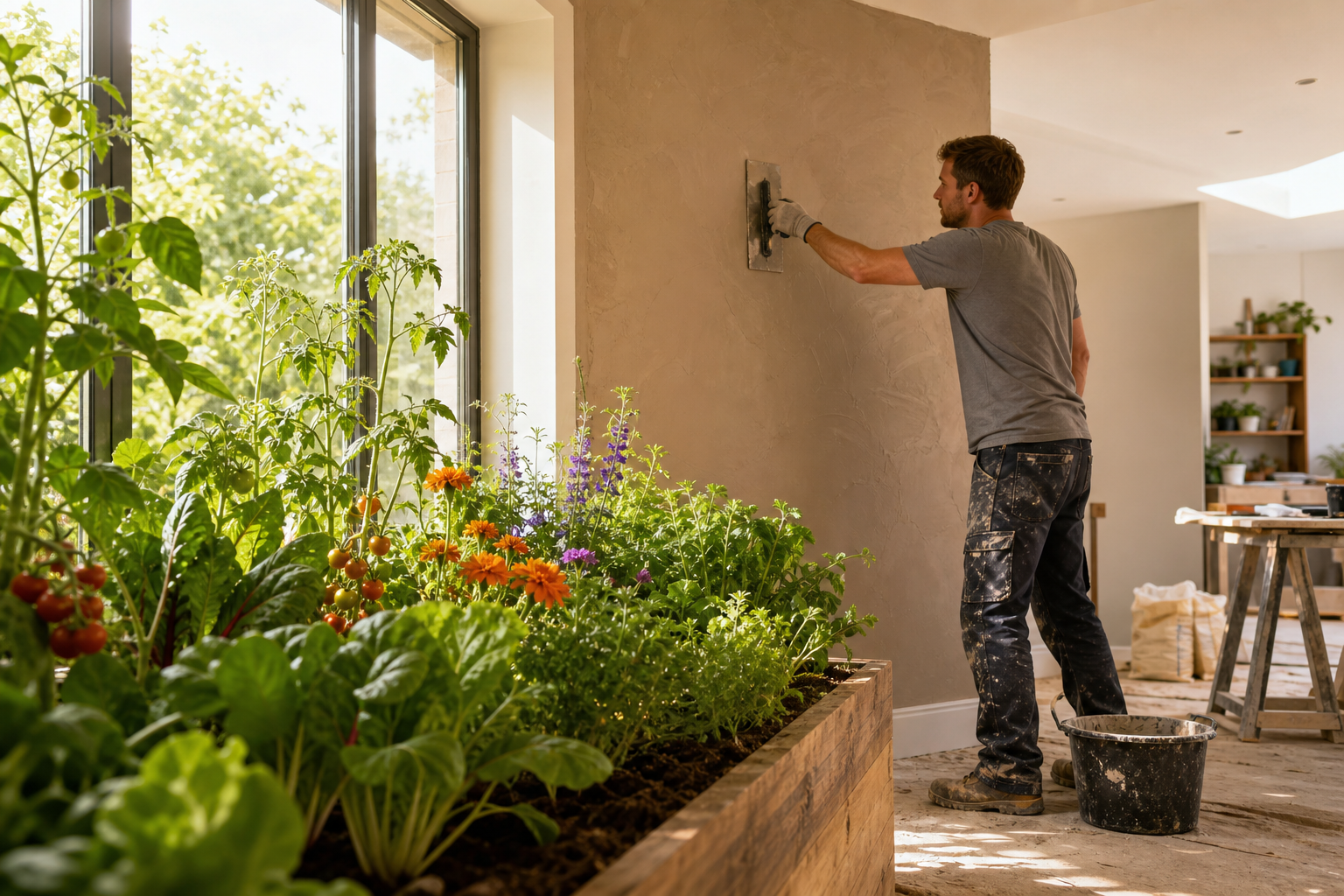
Starting or expanding your garden beds without a proper plan is a bit like doing the weekly shop with no list and a blindfold — you'll end up with too much of the wrong stuff and not enough of what you actually need. This guide walks you through measuring, planning, and calculating the ideal garden bed size for your space and plants. Whether you're growing vegetables, herbs, or flowers, you'll come away knowing exactly how to design beds that suit both your gardening goals and the space you've got.
Why Garden Bed Size Matters More Than You Think
Get the size wrong and you'll feel it every time you're out there. Beds that are too wide leave you stretching across like you're retrieving something from under the sofa, while beds that are too narrow waste perfectly good growing space. Depth matters too — the wrong height and your roots will hit a wall before they're done. And if you don't leave proper gaps between beds, you'll be shuffling sideways with a wheelbarrow like it's a game of Tetris. Proper sizing keeps your plants happy and your back even happier.
How to Measure Your Garden Bed
Three dimensions. That's all you need. Get these right and everything else follows.
- Length: The longest side of the bed.
- Width: The shorter side, which determines how far you can reach from each edge.
- Height (Depth): How tall the sides are — this dictates root space and what you can grow.
Step-by-Step Measuring
- Mark the corners with stakes or string in your desired bed location.
- Use a tape measure to check the distance between each corner for length and width.
- Decide on bed height based on the crops you plan to grow (see the table below — it earns its keep).
How Wide and Long Should a Garden Bed Be?
Here's the golden rule: you should be able to reach the centre of the bed from either side without stepping on the soil. Step on it and you're compacting the very thing your roots are trying to push through. Not ideal.
- Typical width: 0.9–1.2 metres (3–4 feet)
- Maximum width: 1.2 metres (4 feet)
- Length: As long as space allows, but 1.8–2.4 metres (6–8 feet) is common
Tip: If a bed sits against a wall or fence, limit the width to 0.6–0.75 metres (2–2.5 feet) — you've only got one side to reach from, so plan accordingly.
How Tall Should a Garden Bed Be?
Think of bed height like choosing the right depth of container for what you're storing. Shallow herbs don't need a deep chest; a tap-rooted parsnip absolutely does. Here's a quick guide:
| Plant Type | Minimum Bed Height (cm/inches) |
|---|---|
| Shallow-rooted | 15–20 cm / 6–8 in |
| Most vegetables | 30–40 cm / 12–16 in |
| Root crops/tomatoes | 40–60 cm / 16–24 in |
| Accessible beds | 60–90 cm / 24–36 in |
How Much Space Should Be Between Garden Beds?
Don't skimp on the paths. A gap that looks generous on paper can feel like a cattle chute once the plants fill out.
- Minimum gap: 45–60 cm (18–24 inches) for foot traffic
- Wider paths: 75–90 cm (30–36 inches) if you need to use a wheelbarrow or mower
Worked Example: Calculating Garden Bed Size
Right, let's put some numbers to it. Say you're building a raised bed for tomatoes — they want depth, so we're not going shallow.
- Desired width: 1.2 metres (4 feet)
- Length: 2.4 metres (8 feet)
- Height: 40 cm (16 inches)
Volume calculation:
- Metric: 1.2 m x 2.4 m x 0.4 m = 1.15 cubic metres
- Imperial: 4 ft x 8 ft x 1.33 ft (16 in) = 42.7 cubic feet
That volume tells you exactly how much soil or compost to order — no guessing, no three trips to the merchant. For quick results without the arithmetic, try our garden bed size calculator.
How to Calculate Garden Bed Size for Any Project
- Decide on length, width, and height based on your plants and available space.
- Multiply:
- Length × Width = Surface area
- Surface area × Height = Volume
- Convert units if needed (1 metre = 3.28 feet, 1 cubic metre = 35.3 cubic feet).
Tips for Planning Your Garden Beds
- Use string or chalk to outline beds before you build — it costs nothing and saves plenty.
- Keep beds parallel and aligned for a tidy, professional finish.
- Plan for at least 45 cm (18 in) between beds for easy access.
- Raised beds warm up faster in spring and drain better — ideal for UK and temperate climates where the soil can sit cold and wet well into April.
Questions People Are Actually Asking
How to measure a garden bed?
Grab a tape measure and check the length, width, and height of your desired bed. Mark out the area with string or stakes first, then measure from edge to edge — it's quicker and more accurate than eyeballing it.
What size raised garden bed do I need?
Go for a width of 0.9–1.2 metres (3–4 feet) so you can reach the centre from either side without stretching like you're trying to win a prize at a fairground. Length is flexible, but 1.8–2.4 metres (6–8 feet) is a solid starting point. Height should suit your crops — 30–40 cm (12–16 in) for most vegetables, 40–60 cm (16–24 in) for deep-rooted plants.
How tall should a garden bed be?
For most vegetables, 30–40 cm (12–16 in) does the job. If you're growing root crops or want a more accessible bed to cut down on bending, push that up to 60–90 cm (24–36 in). Your back will thank you by October.
How much space between garden beds?
Allow at least 45–60 cm (18–24 in) between beds for comfortable walking. If you'll be pushing a wheelbarrow or running a mower through, widen those paths to 75–90 cm (30–36 in) — don't find this out the hard way mid-season.
How big should raised garden beds be?
A reliable all-rounder is 1.2 metres (4 feet) wide by 2.4 metres (8 feet) long, with a height of 30–40 cm (12–16 in). Tweak those dimensions based on your space and what you're growing — it's not a one-size-fits-all situation.
How to calculate garden bed size?
Multiply the length by the width to get the surface area, then multiply that by the height to get the volume. That volume figure is what you need when ordering soil or compost — treat it like the shopping list you actually stick to. Use our garden bed size calculator for quick results without the manual maths.
What size garden bed for tomatoes?
Tomatoes are greedy for depth — aim for at least 40 cm (16 in) high. A width of 1–1.2 metres (3–4 feet) and a length up to 2.4 metres (8 feet) gives them the room they need to perform. Skimp on depth and you'll know about it come harvest time.
Conclusion
Getting your garden bed size right comes down to three things: your available space, your plants' needs, and your own comfort out there. A tape measure, a bit of string, and five minutes of planning will save you hours of frustration later. Ready to get the numbers nailed? Use our garden bed size calculator to work out the perfect bed for your next project.
Free Tools to Put This Into Practice
Reading about it is one thing — running your own numbers is what saves time and money at the merchant. Here are the free HowMuchDoINeed calculators that pair best with this guide:
- Topsoil Calculator — work out exactly how much you need and what it will cost.
- Skip Size Calculator — work out exactly how much you need and what it will cost.
- Cable Size Calculator — work out exactly how much you need and what it will cost.
- Sod / Turf Calculator — work out exactly how much you need and what it will cost.
Explore every free calculator on HowMuchDoINeed — no sign-up required.
Try the Garden Bed Size Calculator
Working this out by hand? Our Garden Bed Size Calculator does the sums for you in seconds — pop in your measurements and you'll have your numbers straight away.