Xeriscape Calculator: The Stress-Free Way to Nail Your Landscaping Quantities First Time
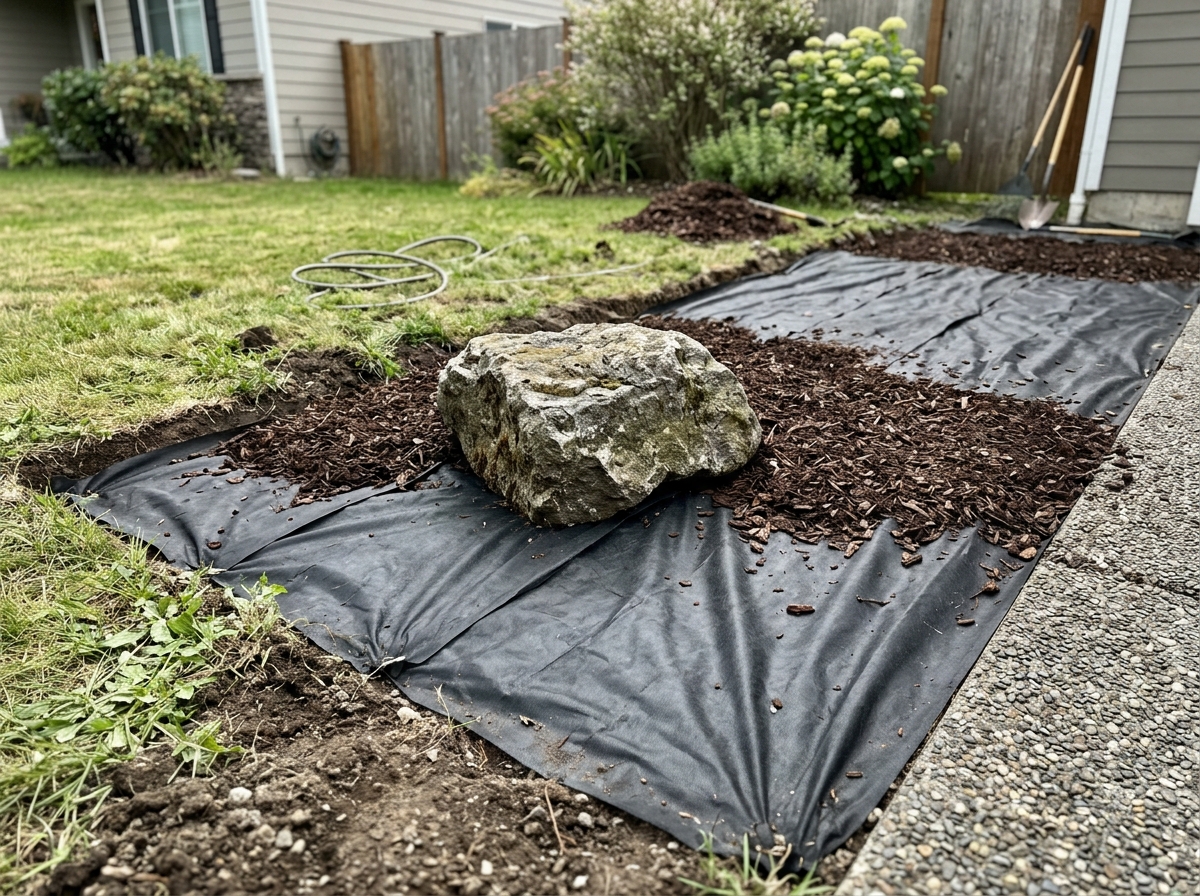
Ever tried landscaping a drought-tough garden and ended up with either a heap of leftover rock or a patchy, fabric-free flowerbed? You’re not alone. Sizing up for xeriscaping—whether it’s rock, bark, or weed barrier—without a proper take-off is like cooking a roast with no idea how many guests are coming. Someone’s always going hungry (or you’re eating leftovers for a week).
Let’s break down how to use a xeriscape calculator to get your numbers spot-on, avoid expensive overbuys, and make sure your new water-wise garden comes out looking sharp—first time, every time.
What Is Xeriscaping, and Why Does Measuring Right Matter?
Xeriscaping (sometimes called water-wise landscaping) is about creating beautiful, low-maintenance gardens that thrive on minimal irrigation. Think gravel paths, drought-loving plants, and mulch beds instead of thirsty lawns. Done right, it saves water, money, and a whole lot of weeding.
But here’s the kicker: getting your quantities wrong in xeriscaping can cost you. Order too little, and you’re making awkward return trips for a single bag of stone. Order too much, and you’ll have a pile of rock staring at you for the next decade. With materials like landscape fabric (weed barrier), bark, and aggregate (gravel/rock), accuracy pays off—literally.
The Big Three: What You’ll Need to Measure
You’ll be working out quantities for:
- Landscape rock/gravel/aggregate (for paths, beds, and ground cover)
- Landscape fabric (weed barrier)
- Bark mulch (to suppress weeds, hold moisture, and look tidy)
Each comes in its own units—cubic metres (cubic yards), square metres (square feet), or litres (US gallons)—so mixing them up is like measuring your decking in metres and then ordering planks in inches. Trust me, it’s a fast track to headaches.
How to Use a Xeriscape Calculator: The Basics
Here’s the bit most people get wrong: they guess. But you can size up your job in three quick steps. Grab a tape, a notepad, and let’s do a worked example.
Step 1: Measure Your Area
Start with the basics—work out the area you want to cover.
Say you’ve got a rectangular bed that’s 4m x 3m (13ft x 10ft). That’s:
- 12m² (130ft²)
For irregular shapes, break it into chunks—squares, rectangles, triangles. Add them all up for your total area.
Step 2: Decide on Depth/Thickness
This is where most DIYers get caught out. Here’s a cheat sheet:
- Landscape rock/gravel: 5cm (2in) deep is standard for decent weed suppression
- Bark mulch: 7cm (3in) keeps moisture in and weeds out
- Landscape fabric: Just needs to match your surface area (no depth)
Step 3: Crunch the Numbers (Metric and Imperial)
Let’s say you want to cover that 12m² (130ft²) bed with 5cm (2in) of gravel.
Formula (for gravel/rock):
Area x Depth = Volume
- Metric: 12m² x 0.05m = 0.6m³
- Imperial: 130ft² x 0.17ft = 22.1ft³ (0.82yd³)
Rocks and bark are usually sold by the cubic metre (or cubic yard), so round up to the next available bag or delivery size. Don’t forget a 10% wastage allowance—the spare teabags of landscaping—because nobody ever gets 100% coverage, especially around curves or edges.
Total to order:
- Metric: 0.6m³ x 1.1 = 0.66m³ (round up to 0.7m³)
- Imperial: 0.82yd³ x 1.1 = 0.9yd³ (round up to 1yd³)
For landscape fabric, just match the area (12m² / 130ft²), plus a bit extra for overlaps.
If you want the maths done for you, the xeriscape calculator sorts all this in seconds. Plug in your area, pick your depth, and it spits out exactly what you need—no head-scratching or wild guesses.
Worked Example: Bark Mulch for a Winding Path
Let’s try a trickier one—an L-shaped path, 1m (3.3ft) wide, with one leg 5m (16ft) long and the other 3m (10ft).
- Long leg: 5m x 1m = 5m² (16ft x 3.3ft = 53ft²)
- Short leg: 3m x 1m = 3m² (10ft x 3.3ft = 33ft²)
- Total area: 8m² (86ft²)
Bark depth: 7cm (3in) = 0.07m (0.25ft)
- Metric volume: 8m² x 0.07m = 0.56m³
- Imperial volume: 86ft² x 0.25ft = 21.5ft³ (0.8yd³)
Add a 10% safety margin:
- Metric: 0.56m³ x 1.1 = 0.62m³ (order 0.65m³ or 1 full bulk bag if that’s the closest size)
- Imperial: 0.8yd³ x 1.1 = 0.88yd³ (order 1yd³)
Not a maths fan? Let the xeriscape calculator for bark, rock, and fabric do the legwork. It’ll even handle those awkward shapes for you.
Don’t Forget the Extras: Fabric, Edging and Overlap
- For landscape fabric (weed barrier), always add at least 10% extra to your total area for overlaps and offcuts. Buying exactly 12m² (130ft²) for a 12m² (130ft²) bed is like buying tiles with zero spares—one slip, and you’re short.
- For curves or circles, a calculator is a lifesaver. Just input your measurements, and the xeriscape quantity tool will handle the conversion.
Questions People Are Actually Asking
How much does it cost to xeriscape a yard?
Costs vary wildly depending on where you are, materials, and whether you DIY or hire out. For a typical garden, expect to pay for landscape rock/gravel, fabric, plants, and any edging. DIYers can save on labour, but material costs still add up. The best way to avoid wastage is to use a xeriscape calculator to get your quantities right before you price up.
How much landscape rock do I need?
Work out your area in square metres (square feet), decide on your depth (typically 5cm/2in for rock), and use the formula: Area x Depth = Volume. Don’t forget that 10% safety margin. For instant figures, use an online xeriscape calculator—it’ll save you the agony of mental maths.
How much landscape fabric do I need?
Match the area you want to cover, adding 10-15% for overlaps and offcuts. For a 20m² (215ft²) garden bed, buy at least 22m² (240ft²) of fabric. It’s better to have a bit extra than to come up short around a flowerbed curve.
How much landscape stone do I need?
Same as for rock or gravel: calculate your area, pick your depth (5cm/2in is standard), and factor in that 10% extra. Stone is often sold by the cubic metre (cubic yard), so make sure you’re using the right units.
How much landscape bark do I need?
Measure your area, then multiply by your chosen depth (7cm/3in is typical for bark). For 10m² (108ft²), you’ll need 0.7m³ (0.9yd³) of bark. Round up to the nearest bulk bag or delivery size, and add a little extra for good measure.
How much does xeriscaping cost?
Xeriscaping costs depend on plant choices, materials (rock, bark, fabric), and garden size. DIYers usually pay less than professionals, but don’t forget to factor in delivery costs and tools. Getting your material take-off right saves you cash and hassle.
How much does landscape design cost?
Hiring a pro designer can range from a few hundred to several thousand in your local currency, depending on garden size and scope. Many DIYers use online tools or free plans to save money—just be sure your design fits your local climate and water restrictions.
Conclusion: Get Your Numbers Right, Save Your Sanity
Ordering xeriscaping materials without a proper quantity take-off is like painting a room and hoping the tin never runs dry—messy, costly, and guaranteed to stress you out. Use a xeriscape calculator to measure up like a pro, save yourself those dreaded extra trips, and get your water-wise garden looking spot-on first time.
Ready to get started? Grab your measurements and let the calculator do the rest—go on, make your future self (and your wallet) proud.
Free tools to put this into practice
Reading is one thing — working out your own numbers is what saves time and money. Here are the free HowMuchDoINeed calculators that pair best with this guide:
- Xeriscape Calculator — work out exactly how much you need and what it will cost.
- Xeriscape Calculator Guide — get an instant materials estimate for your project.
- Landscaping Cost Estimator — size up quantities and costs before you head to the merchant.
- Irrigation System Calculator Landscaping — plan your order so you avoid over- or under-buying.
Explore every free calculator on HowMuchDoINeed — no sign-up required.